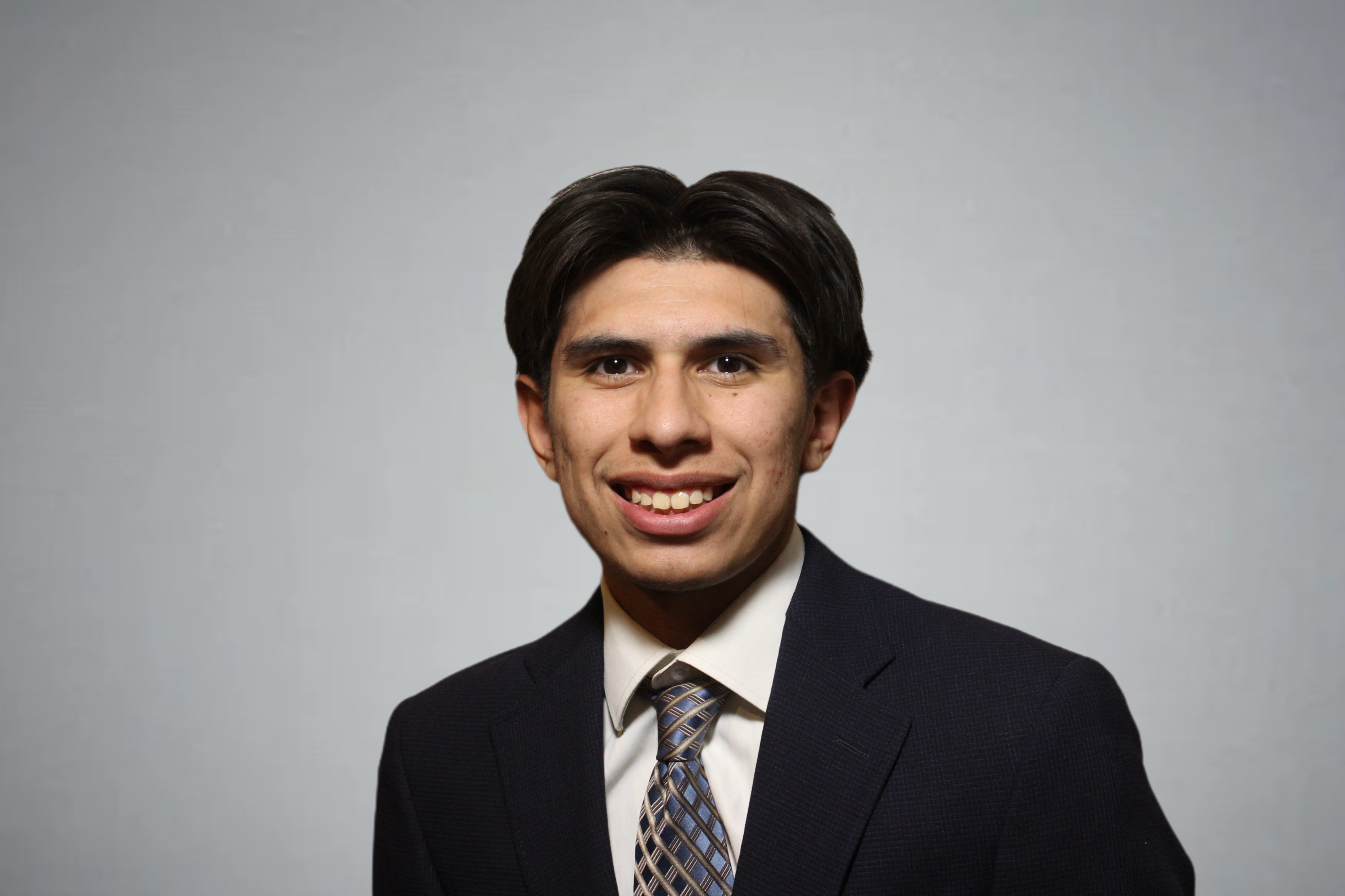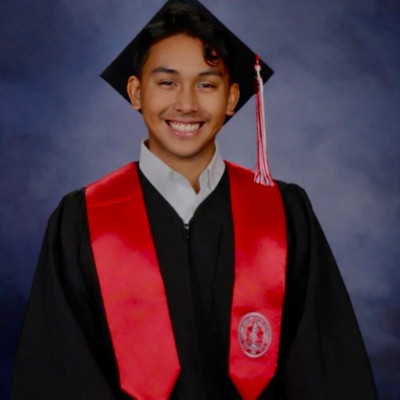
Matthew is a Stanford CS BS/MS candidate specializing in artificial intelligence and theoretical computer science, advised by Ellen Vitercik. He graduated his undergraduate program with distinction and was valedictorian of Patriot High School. At the Stanford AI Laboratory, he researched large-scale data filtration and cybersecurity mid-training for language models in the Language, Data, and Reasoning group under Drs. Amin Saberi and Amin Karbasi, and as an AI Researcher at Stanford Medicine he built computer vision systems for strabismus classification. Through the Stanford Impact Founder Fellowship, he built AI infrastructure for Medicaid and behavioral health at the Stanford Graduate School of Business. He developed AI strategy at Synchrony’s Business Leadership Accelerator, served as a Product Engineer at Lasso, and worked in generative AI at growth equity firm Adams Street Partners, mentored by partners Fred Wang and Ali Cliff. He is an STVP XFund Ethics Fellow, a Stanford Summer Fellow, and an ACM member, and helped direct a major Stanford undergraduate research conference with the Stanford Undergraduate Research Association. He built Feynman, a free AI learning platform that rebuilds university-level coursework as a five-rung Learning Ladder for first-generation and low-income students, now rolling out as a Truth Computing mission project. He started Truth Computing to build AI that helps humanity reason more clearly, make better decisions, and close the gap between what is true and what people believe to be true.
His technical range is deliberately broad, because technology transformation demands it. He works across deep learning and applied AI, reinforcement learning, algorithms and the theory of computation, computer and distributed systems, and quantum computing, with human computer interaction and product design learned the hard way, building real products in industry rather than in a classroom. That range sits on the full Stanford CS core, the depth of its AI curriculum, and a mathematics and physics base carried from linear algebra and analysis through topology and quantum mechanics.
The foundation, by the numbers
Skills, as of Clientlyy
Languages
AI & machine learning engineering
Mathematics & research experimentation
Security engineering
Backend, infrastructure & QA
Business logic, integrations & compliance